


Your body receives oxygen with each breath, supporting everything from physical activity to mental function. However, respiratory concerns may arise silently. Doctors in Pulmonology in Siliguri may focus on diagnosis, patient history, and existing symptoms to advise treatment. One should not overlook an ongoing cough, dyspnea following a short flight of stairs, or recurrent chest infections. These changes, however, might be your body's way of alerting you to a respiratory condition. A pulmonologist is a medical doctor who treats and diagnoses breathing issues, chronic cough, sleep issues due to respiratory conditions, chest tightness due to asthma, COPD, or other conditions.
What Pulmonologists Do
A doctor who specializes in respiratory medicine is known as a pulmonologist or chest specialist. These doctors assess disorders that impact the lungs, bronchial tubes, airways, and other aspects of the respiratory system.
A pulmonologist may treat:
- Asthma
- COPD, or chronic obstructive pulmonary disease
- Pneumonia
- Tuberculosis (TB)
- Bronchiectasis
- Interstitial lung
- Lung fibrosis
- Breathing problems associated with sleep
- Persistent bronchitis
- Some pulmonary blood vessel problems
Based on the patient's symptoms and clinical reports, pulmonologists can suggest procedures including bronchoscopy, CT scans, chest X-rays, sputum examinations, or pulmonary function testing.
When to See a Pulmonologist? - 10 Signs You Should Not Ignore
If you have persistent, recurrent, or unexplained respiratory symptoms, or primary care treatment didn’t help, you can see a pulmonologist.
These 10 signs can suggest that a pulmonologist's assessment is necessary.
A Persistent or Chronic Cough
Coughing is your body’s defense mechanism that helps remove foreign objects, mucus, and irritants from the airways. But a cough that persists after the anticipated recuperation period may need pulmonary care.
A chronic cough could be linked to:
- Asthma
- Persistent bronchitis
- Tuberculosis
- COPD
- GERD, or gastroesophageal reflux disease
- Airway discomfort following an infection
- Some lung disorders
A cough that lasts 2 weeks or more may need medical attention and tests for tuberculosis. In case there are other signs like fever, night sweats, weight loss, or blood in the sputum. Adult coughs that last 8 weeks or more are often considered chronic and may need to have their underlying cause evaluated.
· Avoid tobacco smoke: It is a major risk factor for lung cancer, COPD, and other respiratory concerns.
· Reduce exposure to air pollution:Minimize exposure to air pollution by taking the necessary safeguards when the air quality is poor.
· Use workplace protection: When working near dust, chemicals, or industrial fumes, use the advised safety precautions.
· Maintain an active lifestyle: Frequent exercise, as tolerated, may promote overall respiratory and cardiovascular health.
· Follow the advised immunization schedule: Talk to your healthcare provider about the proper pneumococcal, influenza, and other immunizations.
· Seek medical attention: Do not keep ignoring wheezing, persistent coughing, or unexplained dyspnea.
Avoid self-medication: Use antibiotics, inhalers, and cough medications in accordance with medical recommendations
Shortness of Breath During Everyday Activities
Do you experience unexpected shortness of breath or dyspnea when walking, climbing stairs, doing housework, or engaging in formerly effortless activities?
Dyspnea may indicate multiple problems. It could happen if the body's oxygen needs are not sufficiently met by the lungs or if breathing is impacted by another condition.
Here, potential causes may include:
- Asthma
- Pneumonia and COPD
- Fibrosis of the lung
- Pulmonary embolism
- Some cardiac disorders
Instead of scheduling a regular consultation with a doctor, severe or unexpected respiratory difficulties need emergency medical assistance.
Frequent Wheezing or Noisy Breathing
A high-pitched whistling sound that frequently happens when you exhale is called wheezing, which appears when air passes through constricted or blocked airways.
Wheezing can have several causes, such as COPD, respiratory infections, asthma, and other airway disorders.
You might experience wheezing:
- When exercising
- In the early morning or at night
- Following exposure to smoke, dust, or allergies
- When respiratory infections occur
- In addition to coughing or tightness in the chest
If wheezing continues to come back, speak with your doctor; a pulmonologist in Siliguri can examine potential triggers and evaluate airway function.
Recurrent Chest Infections or Pneumonia
Recurrent respiratory or lung infections may pinpoint an underlying lung or immune system issue. Regular bouts of pneumonia, bronchitis, or other lower respiratory tract infections may need diagnosis and advice.
Possible contributory factors may be:
- Bronchiectasis
- COPD
- Asthma
- Anomalies in the airways' structure
- Some immunological inadequacies
Recurrent infections may worsen respiratory tissue damage and inflammation.
Coughing Up Blood or Sputum Stained with Blood
Hemoptysis, the medical term for coughing up blood, may need immediate medical diagnosis and treatment. The blood may show up as big amounts mixed with mucous or as little streaks or patches.
Among the potential causes:
- Tuberculosis
- Pneumonia
- Bronchiectasis
- Severe bronchitis
- Pulmonary embolism
- Lung cancer
Seek emergency medical attention if you cough up more than a few bloodstains or if you have severe dizziness, dyspnea, or chest pain.
Persistent Chest Tightness or Unexplained Chest Pain
Chest pain may result from problems with the lungs, heart, muscles, and digestive system. But chronic or unexplained chest tightness has to be evaluated.
Respiratory causes may be:
- Asthma
- Pleurisy (inflammation of the lung lining)
- Pneumonia
- Pulmonary embolism
- Additional inflammatory lung diseases
Emergency medical assistance is necessary for sudden or severe chest discomfort, especially if it is accompanied by perspiration, confusion, dizziness, or dyspnea.
Overproduction of Mucus or Persistent Phlegm Production
Mucus production is a natural defense mechanism of the respiratory system. Before dust, bacteria, and other particles can enter your lungs' deeper regions, it captures them.
In other instances, excessive mucus production that lasts for weeks or keeps coming back could be a sign of an underlying respiratory problem or airway inflammation.
You might observe:
- Coughing a lot to get rid of mucus
- Sputum that is thick or has a peculiar color
- An increase in morning phlegm production
- Inability to remove secretions
- Frequent infections in the chest
Ongoing mucus production can result from diseases including bronchiectasis, COPD, and chronic bronchitis.
Unexplained Weight Loss, Fever, or Night Sweats
Coughing and breathing problems may not be the signs of respiratory disorders. General symptoms like persistent fever, night sweats, and unexplained weight loss can occasionally offer hints.
When these symptoms coexist with a chronic cough, chest pain, or exhaustion, they may need immediate medical care.
Signs can be:
- Tuberculosis
- Persistent infections
- Some inflammatory diseases
- Lung cancer
If a persistent cough has other signs like fever, weight loss, or night sweats, a tuberculosis test may be important.
Poor Exercise Tolerance and Unusual Fatigue
Have you begun to feel worn out after engaging in regular activities or short walks? Reduced lung function, insufficient oxygen delivery, or other health issues may result from decreased exercise tolerance.
People who suffer from respiratory disorders may feel:
- Fatigued while performing daily tasks
- Breathlessness when strolling
- Having trouble ascending stairs
- Extended recuperation following strenuous activity
- Low capacity to engage in physical activity
Asthma, COPD, interstitial lung disease, and other respiratory disorders may trigger these symptoms.
Breathing Problems During Sleep
While you sleep, you should be able to breathe easily. Normal breathing patterns, however, might suffer due to certain respiratory and sleep-related diseases.
Signs can be:
- Frequent, loud snoring
- Recurring breathing pauses that someone else notices
- Choking or gasping while you're asleep
- Having headaches when you wake up
- Excessive drowsiness during the day
- Not feeling rejuvenated even after getting enough sleep
Obstructive sleep apnea, a disorder in which the upper airway often becomes partially or totally blocked while you sleep, may cause such symptoms.
When Can Respiratory Symptoms Be a Medical Emergency?
Some respiratory problems need immediate medical support, so get emergency medical attention if there are symptoms like:
- Abrupt or severe breathing difficulties
- Breathlessness that prevents one from speaking normally
- Gray or blue fingertips or lips
- Sudden or severe chest discomfort
- Coughing up a lot of blood
- Abrupt shortness of breath with lightheadedness or disorientation
Sudden respiratory failure, pulmonary embolism, or a heart emergency might be responsible for these symptoms.
Common Diagnostic Tests for Respiratory Conditions
- Pulmonary Function Test (PFT): Checks the efficiency with which your lungs move air.
- Spirometry: Helps determine the volume and speed at which you can exhale, often used in the evaluation of COPD and asthma.
- Chest X-ray: Helps detect specific lung anomalies, infections, and structural alterations.
- CT Scan of the Chest: When clinically important, it may offer comprehensive views of the surrounding structures and lung tissues.
- Sputum Examination: Examines mucus samples to look for diseases, such as tuberculosis.
- Bronchoscopy: Examines the airways and takes samples as needed using a fine, flexible device equipped with a camera.
- Sleep Study: When a sleep-related respiratory issue is suspected, this study helps assess breathing patterns, oxygen levels, and other characteristics during sleep.
How Can Your Lung Health Be Preserved?
A few steps or practices can help lower exposure to risky substances and promote respiratory health; however, not all respiratory disorders are preventable.
- Avoid tobacco smoke: It is a major risk factor for lung cancer, COPD, and other respiratory concerns.
- Reduce exposure to air pollution:Minimize exposure to air pollution by taking the necessary safeguards when the air quality is poor.
- Use workplace protection: When working near dust, chemicals, or industrial fumes, use the advised safety precautions.
- Maintain an active lifestyle: Frequent exercise, as tolerated, may promote overall respiratory and cardiovascular health.
- Follow the advised immunization schedule: Talk to your healthcare provider about the proper pneumococcal, influenza, and other immunizations.
- Seek medical attention: Do not keep ignoring wheezing, persistent coughing, or unexplained dyspnea.
- Avoid self-medication: Use antibiotics, inhalers, and cough medications in accordance with medical recommendations.
Who Is At Risk?
Some people may have a higher risk, such as:
- Smoking tobacco.
- Passive smoking.
- Exposure to contaminated air.
- Prolonged exposure to industrial chemicals, dust, and fumes.
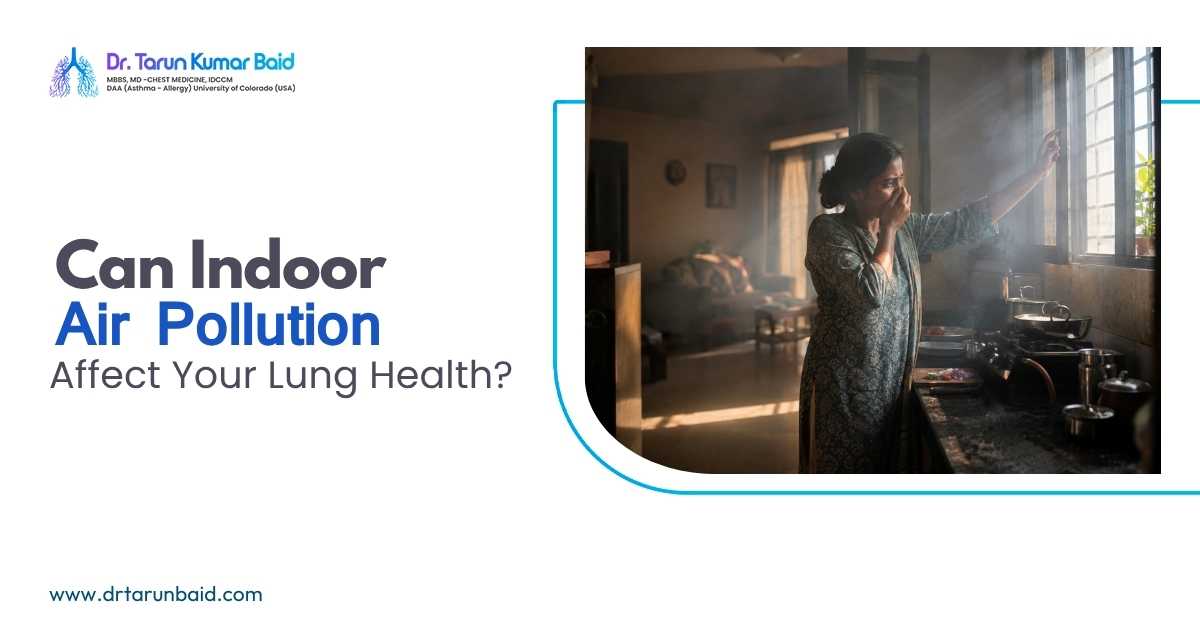
- Smoke from solid cooking fuels indoors.
- Recurrent lung infections or prior TB.
- A family history of specific respiratory conditions.
- Aging and pre-existing health issues.
Final Words
The importance of lung health is invaluable. A chronic cough, recurrent chest infections, wheezing, unexplained dyspnea, or blood in your sputum may have an underlying reason, requiring medical tests. You can seek treatment in Pulmonology in Siliguri or near you if your respiratory symptoms worsen, recur, or interfere with your daily activities. With medical care provided by a pulmonologist, your lungs may improve, and you may be able to have healthy lung function.
FAQs
When should you see a pulmonologist or chest specialist?
See one if you have a chronic cough, wheezing, dyspnea, or recurrent chest infections.
For what reason is a pulmonologist frequently consulted?
Common causes include asthma, COPD, persistent coughing, and inexplicable breathing problems.
Should I visit a pulmonologist for asthma?
Pulmonologists diagnose and treat respiratory disorders, including asthma.
Is dyspnea usually a lung issue?
No, anemia, heart problems, anxiety disorders, and other medical diseases can also cause it.
Can COPD be cured?
Lung damage from COPD tends to be irreversible, but treatment and management guided by your doctor may improve quality of life.