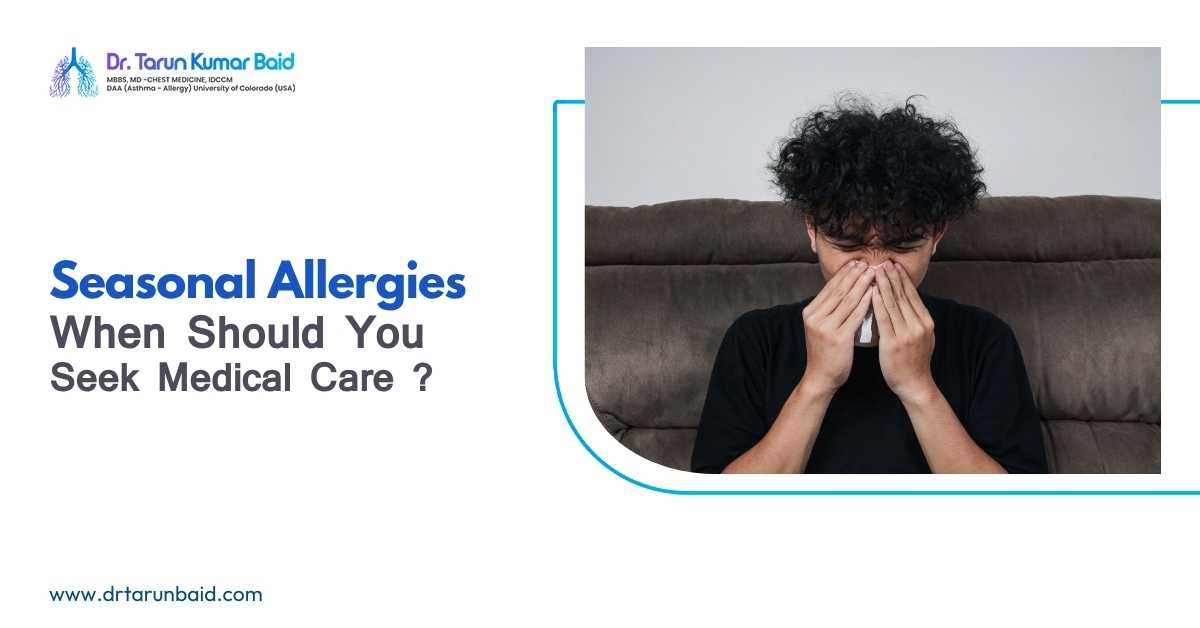




For many, a change in season means the return of sneezing, itchy eyes, nasal congestion, and persistent sniffles. Seasonal allergies are prevalent, but their effects can go far beyond short-term discomfort. Ongoing symptoms might keep people from outdoor activities, interfere with sleep, lower productivity, and more.
Knowing when these symptoms can be controlled at home and when they need medical attention is of great help. While over-the-counter remedies for minor seasonal allergies often work effectively, symptoms that increase, persist, interfere with everyday activities, or impair breathing need expert care.
A trusted allergy clinic in Siliguri or anywhere else can accurately diagnose the problem, and its doctors provide the best care for effective allergy management.
Overview of Seasonal Allergies
Seasonal allergies, sometimes referred to as hay fever or seasonal allergic rhinitis, happen when the immune system overreacts to airborne particles. These include pollen and some outdoor mold spores.
Histamine and other inflammatory chemicals are released when the immune system misinterprets these otherwise innocuous compounds as threats.
Common triggers are:
- Tree pollen is frequently linked to springtime symptoms.
- In late spring and summer, grass pollen is a common source of allergies.
- In late summer and early fall, weed pollen may cause problems.
- Outdoor mold spores may proliferate in moist areas and during times when vegetation is decomposing.
The allergen, the surrounding environment, and personal sensitivity affect the symptoms. Sneezing, a runny or blocked nose, watery or itchy eyes, an irritated throat, and postnasal drip are common symptoms you may experience.
Seasonal allergies, in contrast to the common cold, often do not result in a fever and might last for weeks as long as the triggering allergen is present.
When Is the Right Time to Get Medical Help for Seasonal Allergies?
Nonetheless, several signs and trends suggest that a professional assessment would be helpful.
Despite receiving treatment at home, your symptoms continue. Consider seeing a healthcare provider if your allergy symptoms persist even after avoiding known triggers and taking the recommended over-the-counter treatments.
Itchy eyes, runny nose, nasal congestion, and persistent sneezing can be classic signs that your current medication isn't working or that another illness is causing your symptoms.
A pulmonologist can assess your symptoms, suggest different drugs, and decide whether allergy testing is required.
Sleep and Daily Activities Are Affected by Allergies. You shouldn't constantly be unable to get a good night's sleep, focus at work, go to school, or enjoy daily activities because of seasonal allergies.
Postnasal drip, frequent sneezing, and nasal congestion at night can interfere with sleep and increase daytime fatigue. While adults may notice decreased productivity and chronic fatigue, children may find it difficult to focus in class.
Consult an allergy doctor or pulmonologist for an allergy test in Siliguri if your quality of life is being negatively impacted by allergy problems. More effective symptom control can be achieved with a customized treatment strategy.
You Have Breathlessness, Coughing, or Wheezing. Seasonal allergens can develop or worsen asthma, so respiratory symptoms need special attention.
If you have a chronic cough, tightness in your chest, wheezing, or dyspnea, it's possible that your airways are impacted besides your nose and eyes. If these symptoms appear, schedule a quick medical examination, especially if you have asthma or a history of respiratory issues.
You Start Experiencing Symptoms That Point to Another Illness
Did you know that seasonal allergies can mimic sinusitis, viral infections, and other respiratory disorders? These symptoms need expert evaluation for timely diagnosis and care.
Speak with a medical expert if you encounter:
- A persistently high fever.
- A severe pressure or pain in the face.
- A severe headache or deteriorating sinus pain.
- Increasing symptoms along with a thick nasal discharge.
- Symptoms that become better before getting significantly worse.
- Symptoms that are ongoing or getting worse and don't fit your typical allergy pattern.
Your Vision Changes or Your Eyes Start to Pain
Also, seasonal allergies can cause watery, itchy, and somewhat irritated eyes. However, allergies shouldn't always be the cause of eye pain, noticeable redness, light sensitivity, or impaired or poor vision.
Now, if you experience eye pain or changes in your vision, get checked out right away. This is especially vital if the symptoms are abrupt or affect only one eye.
You must know that early assessment can help detect illnesses that need more than regular allergy medication.

When Are Symptoms of Seasonal Allergies an Emergency?
Severe allergic reactions need to be treated immediately, even though most seasonal allergy symptoms are not harmful.
Contact the emergency services in your area if you notice:
- Severe breathing problems or wheezing that becomes worse very quickly.
- Tongue or throat swelling that interferes with swallowing or breathing.
- Signs of serious circulation issues, such as fainting or collapsing.
- A confluence of signs that point to anaphylaxis, like breathing problems along with extensive swelling or hives.
Know About the Treatment Options
Antihistamines: Sneezing, itching, and a runny nose can be relieved by oral or nasal antihistamines.
Corticosteroid nasal sprays: When taken properly and consistently, corticosteroid nasal sprays are useful in treating persistent nasal allergy symptoms.
Saline nasal rinses: These could aid in clearing your nasal passages of mucus and irritants. For nasal irrigation, use distilled, sterilized, or previously cooked and cooled water.
Allergy eye drops: Some medications help reduce watery and itchy eyes.
Allergen immunotherapy: People with documented allergies that continue to cause problems despite routine management may benefit from allergy injections or, for specific allergens, under-the-tongue treatments.
Final Words
Though seasonal allergies might seem like a small trouble, they can have a negative impact on your breathing, sleep, and general quality of life if they persist or get worse.
See a healthcare provider if your symptoms, such as wheezing, persistent coughing, or severe sinus discomfort, interfere with daily activities or do not improve with the right allergy treatment.
For optimum care and the right diagnosis, you might see Dr. Tarun Kumar Baid and get your allergies treated effectively.
FAQs
1. When should I see a doctor for seasonal allergies?
See a doctor if symptoms include wheezing, shortness of breath, severe facial pain, odd eye problems, or interfere with sleep or regular activities.
2. How can I distinguish between a cold and seasonal allergies?
Seasonal allergies often result in clear nasal discharge, itchy eyes, and ongoing sneezing, often without a fever. Fever, body aches, and sore throats are common symptoms of colds, which usually go away in a week to ten days.
3. Can seasonal allergies cause breathing problems?
Asthma symptoms, including coughing, wheezing, tightness in the chest, and shortness of breath, can result from seasonal allergens. While severe breathing difficulties require emergency care, these symptoms call for a prompt medical evaluation.
4. How should seasonal allergies be treated?
While antihistamines may help with sneezing and itching, corticosteroid nasal sprays are often useful for chronic nose issues. A medical expert can assess whether immunotherapy or allergy testing will work for you.
5. Do seasonal allergies naturally go away?
When pollen counts drop or exposure to the triggering allergen stops, symptoms could improve. Seasonal allergies, however, might recur every year and may need constant care; see a healthcare provider if your symptoms are severe, disruptive, or persistent.