





Shortness of breath, a persistent cough, or frequent chest infections can raise the issue of what is going on inside the lungs. A lung doctor or a pulmonologist may advise specialized tests to go beyond symptoms and inspect how well your lungs are functioning.
The appropriate test depends on your symptoms, medical history, physical examination, and the illness that your doctor suspects. Some tests assess your lung airflow, while others examine lung tissue, oxygen levels, or symptoms of infection and inflammation.
A highly reputed lungs doctor in Siliguri ensures diagnostic accuracy and fully patient-focused treatment. Timely diagnosis reduces health risks and allows treatment to be more effective.
Why Do Lung Doctors Recommend Tests?
Lung or respiratory symptoms result from multiple reasons. A persistent cough, for example, could be due to asthma, allergies, infection, chronic obstructive pulmonary disease (COPD), or another ailment.
Diagnostic tests assist a pulmonologist:
- Check the efficiency with which your lungs move air
- Identify an airway narrowing or blockage
- Search for infection, inflammation, or structural abnormalities
- Measure the oxygen levels
- Investigate unusual breathing or chest issues
- Monitor an existing lung ailment
- Evaluate whether the treatment is working
Your pulmonologist chooses investigations depending on your specific symptoms and clinical findings.
Spirometry
This is among the most popular lung function tests. You breathe into a spirometer, which measures the amount of air you can expel and how rapidly.
It can aid in the diagnosis of asthma and COPD, including treatment of chronic coughing, wheezing, or shortness of breath. The test is usually rapid and non-invasive. To get accurate data, the breathing maneuver may be repeated multiple times.
Complete Pulmonary Function Tests
Your pulmonologist might suggest pulmonary function tests (PFTs) if they require a more thorough picture of lung function.
- Lung volume
- Gas exchange and airflow
- The efficiency with which oxygen enters the bloodstream from the lungs
These measurements can assess your respiratory system and help identify various lung disease patterns.
Chest X-Ray
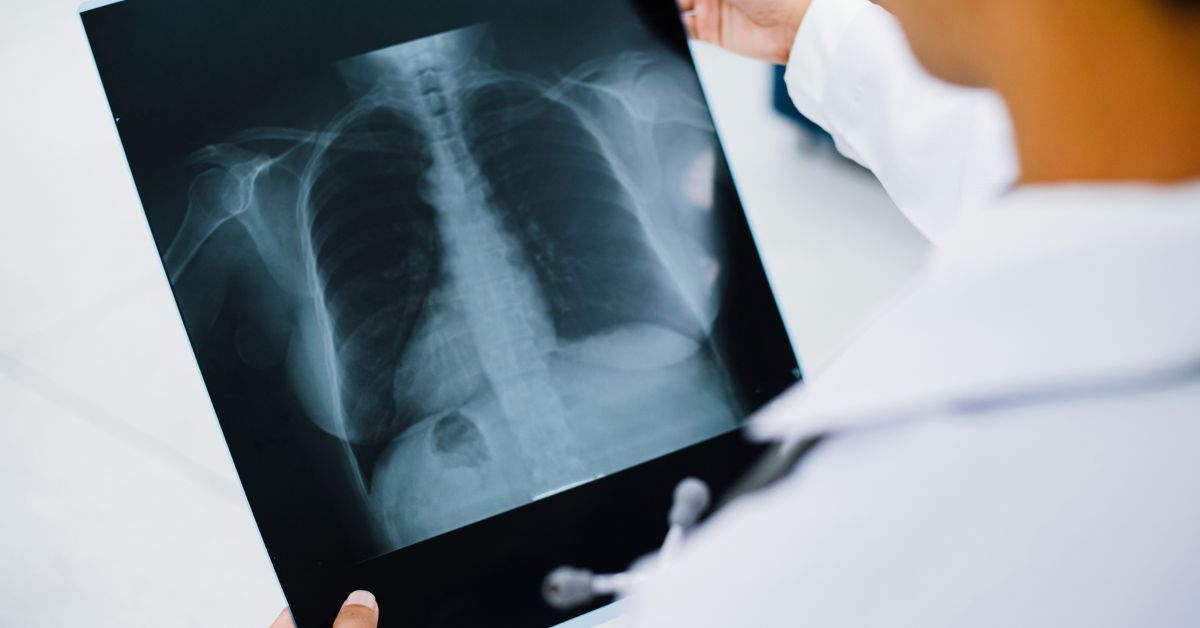
An image of the heart, lungs, and surrounding structures is produced by a chest X-ray. When symptoms such as a prolonged cough, fever, chest pain, or difficulty breathing need to be investigated, this test serves as an initial imaging test.
A chest X-ray may show fluid surrounding the lungs, pneumonia symptoms, certain anatomical abnormalities, or other changes that need more investigation.
If more specific information is vital, your doctor might order another imaging test because an X-ray offers a quite broad perspective. You might seek support from the top pulmonologist doctor in Siliguri or in your area.
Chest CT Scan
Compared to a typical chest X-ray, a CT scan of the chest yields far more detailed images. A chest CT scan can provide a more detailed view of the lungs and nearby structures. Get advice from the leading pulmonologist in Siliguri City or near you for comprehensive support.
It can be used to investigate suspected abnormal lung nodules. Contrast material is used in some CT scans to improve visibility of specific structures. Whether contrast is necessary will be decided by your doctor.
Pulse Oximetry and Arterial Blood Gas Testing
A pulse oximeter is a small device that is often worn on the fingertip to monitor pulse rate and estimate blood oxygen saturation. An arterial blood gas (ABG) test might be suggested for further evaluation.
It includes taking blood from an artery and can provide information regarding oxygen, carbon dioxide, and blood acidity.
Bronchoscopy
During a bronchoscopy (an invasive procedure), a chest specialist might use a narrow device called a bronchoscope to examine the airways.
Depending on the following:
- Unexplained or persistent coughing
- Unusual imaging results
- Some infections
- Bleeding from the respiratory tract
- Suspected anomalies in the airways
A physician may also take tissue or fluid samples for testing in a lab during the procedure.
Sputum Tests
Your doctor could request a sample of your sputum if you are producing mucus or phlegm.
Laboratory analysis can help diagnose specific illnesses as well as other anomalies in appropriate situations. The specific test relies on the symptoms and suspected disease. Consequently, it can be a means to be a productive way to be a productive way to be a cough.
Allergy or Asthma-Related Testing
If asthma or an allergic trigger is suspected, a pulmonologist may recommend further testing. Speak with your lungs doctor in Siliguri or in your city for accurate diagnosis and care.
This test may include specialized blood tests, allergy testing, or bronchial challenge testing. Some tests can detect whether the airways are abnormally sensitive or if allergies are causing respiratory symptoms.
Sleep Study
Breathing difficulties in many cases do not usually occur during the day. If symptoms such as loud snoring, observed breathing pauses, morning headaches, or excessive daytime sleepiness indicate a sleep-related respiratory issue, a doctor may advise a sleep study.
A sleep study monitors many physiological functions while you sleep, such as breathing patterns and oxygen levels. This can help lung doctors look at issues like obstructive sleep apnea.
How Does a Doctor Decide Which Lung Test You Need?
Not every lung issue can be diagnosed by a single test. Before choosing the right tests, a pulmonologist typically starts with your medical history and physical examination.
The following factors could affect the decision:
- Your age, and general health and general health
- Symptom type and duration
- History of smoking or occupational exposure
- Previous respiratory conditions
- Results of the physical examination
- Results of earlier tests of earlier tests of earlier tests
- A possible diagnosis
What Should You Ask Before a Lung Test?
Ask your doctor about the purpose of the test, whether you need to prepare, how the procedure is carried out, when you may anticipate the results before having it done, et al.
Do inform your healthcare provider in advance if you have any allergies or take regular medications. Some tests have particular needs for preparation. Above all, avoid selecting a lung test based only on symptoms or information found online.
Final Words
From a simple breathing test such as spirometry to advanced imaging or bronchoscopy, each health evaluation answers a different clinical question. If you have a persistent cough, unexplained breathlessness, wheezing, recurrent respiratory infections, or other ongoing breathing concerns, see your doctor without delay.
You might seek advice from the best lung specialist in Siliguri City, Dr. Tarun Kumar Baid, ensuring complete patient-centric healthcare.
FAQs
1. What is the most common lung function test?
One of the most used tests for evaluating lung function and airflow is spirometry.
2. Can lung issues be identified by a chest X-ray?
Although some illnesses demand more thorough testing, it can detect a number of problems.
3. Is an X-ray inferior to a CT scan?
CT delivers more detailed images, but that does not mean it is necessary for every patient.
4. Why would a bronchoscopy be needed?
When a doctor wants to take a sample or perform a direct examination of the airways, it might be advised.
5. Which doctor does lung examinations?
A few respiratory tests may be ordered or carried out by a pulmonologist or other suitably qualified medical practitioner.