



Multiple reasons are there for chest pain in women, and not necessarily every chest pain is serious. Acid reflux, anxiety, muscle strain, heart disease, lung disorders, etc., may be the reason you have chest discomfort.
Even though chest pain does not usually indicate a heart attack, it should never be written off, especially if it is sudden, severe, persistent, or coupled withother symptoms.
These may include perspiration, nausea, dizziness, shortness of breath, or pain radiating to the arm, back, neck, or jaw. Seeing a chest doctor in Siliguri or a doctor near you is advisable so that timely diagnosis and care can take place.
Did you know heart-related chest discomfort in women may differ from the typical symptoms of a heart attack? Women may also have unusual fatigue, nausea, shortness of breath, indigestion, or soreness in the back, shoulder, arm, neck, or jaw. Chest discomfort is also a typical complaint or classic sign.
Women can identify when a medical evaluation is required when they know about the potential causes.
How Does Women's Chest Pain Feel?
Instead of being sharp discomfort, chest pain might feel like pressure, tightness, squeezing, heaviness, burning, or discomfort. It can sometimes be felt in the upper belly, including areas like shoulders, back, neck, arms, or jaw, in addition to the center, left, or right side of the chest.
Though the type of pain can offer hints, it is not a reliable sign of the reason. For instance, acid reflux can provide a burning feeling, but heart-related discomfort might also feel like burning or indigestion.
As per the American Heart Association and American College of Cardiology guidelines for chest pain state that symptoms including pressure, tightness, or discomfort in the chest, shoulders, arms, neck, back, upper abdomen, or jaw—as well as even exhaustion or shortness of breath—may indicate a heart condition.
Heart-Related Causes of Chest Pain in Women You Should Know
- Angina
The confition defines as when the heart muscle does not get enough oxygen-rich blood. Angina occurs with physical exercise or emotional stress and can result in pressure, squeezing, tightness, or pain in the chest.
Instead of simply experiencing angina during intense exertion, women may also suffer it during everyday activities, and symptoms here may also be brought on by mental stress.
Coronary microvascular disease, which damages the heart's smallest blood vessels, can strike some women. Even in cases where there are no major blockages in the major coronary arteries, this disorder, which is more common in women, can produce chest discomfort.
- Heart Attack
A heart attack is when blood supply to a portion of the heart muscle is drastically reduced or obstructed. Although symptoms might vary to a great extent, chest tightness or discomfort is a common warning sign (you must not ignore).
Additionally, women may encounter:
- Breathlessness
- Vomiting or nausea
- Strange fatigue or weakness
- Lightheadedness or dizziness
- Sweating in the cold
- Back, shoulder, arm, neck, or jaw pain
- Discomfort in the upper abdomen
These symptoms may or may not be accompanied by overt chest pain.
- Coronary Artery Spasm
A coronary artery spasm can result in angina or, in certain situations, a heart attack by momentarily narrowing a heart artery.Spontaneous coronary artery dissection (SCAD), in which a rip forms inside a coronary artery, is another concerning disorder that affects women. Pregnancy and high levels of physical or emotional stress are possible reasons for SCAD.
This can develop in individuals without conventional cardiovascular risk factors.Sudden or unexplained chest pain has to be evaluated by a doctor right away because these disorders can be risky.
Non-Heart-Related Causes of Chest Pain
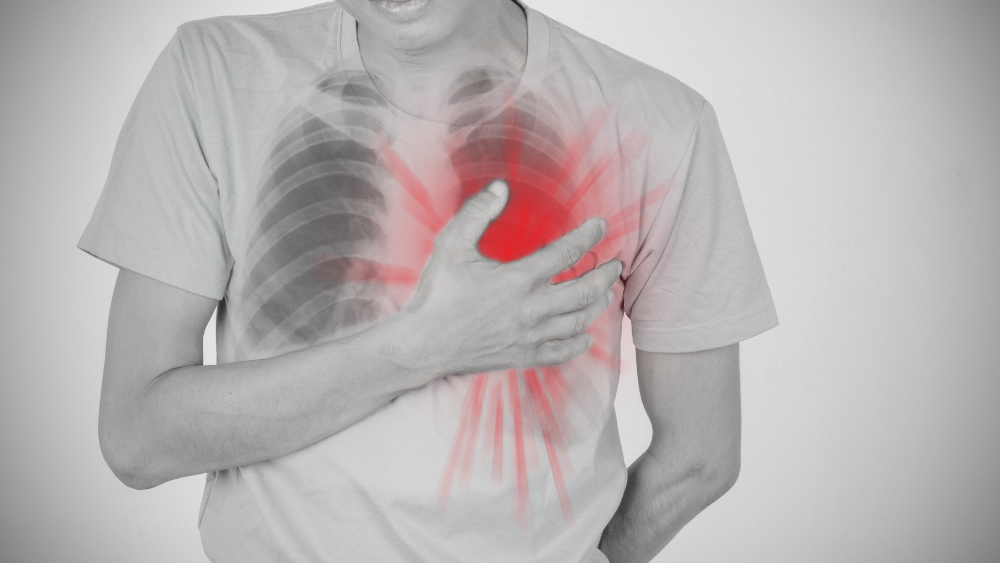
The heart is not the source of all chest pain. Similar symptoms can be caused by many other diseases.
- Gastroesophageal Reflux Disease & Acid Reflux
Acid reflux is when stomach contents ascend into the esophagus, which may result in a burning feeling behind the breastbone. This is especially true while you're lying down or after eating. Plus, some people may have throat irritation, burping, or a sour taste.
Even while reflux is common, heart issues can induce similar symptoms, so new or unexplained chest pain shouldn't always be linked to indigestion.
- Muscle Strain & Costochondritis
Muscle tension, exercise, coughing, injuries, or inflammation around the joints that connect the ribs to the breastbone can all cause chest wall pain.
Localized chest pain and tenderness may result from costochondritis.The condition may worsen with specific motions or pressure, and chest pain can also be brought on by rib injuries and other musculoskeletal issues.
- Anxiety & Panic Attacks
Chest tightness or soreness, a fast heartbeat, perspiration, lightheadedness, and dyspneacan be symptoms of stress, worry, and panic attacks; it is possible. Sometimes the symptoms of panic are very similar to those of a heart attack, but it isn’t.
But chest pain isn't always a sign of anxiety; we have to understand. Before you presume anxiety is the cause of symptoms that are new, severe, or unclear, a medical evaluation is a must.
- Lung Conditions
Chest pain can result from respiratory disorders, and these include lung collapse, asthma-related issues, pneumonia, and pleurisy.Because it can be fatal, it is especially crucial to identify a pulmonary embolism (PE) early.
It is a blood clot that moves to the lungs, and sudden dyspnea, a fast heartbeat, coughing, or acute chest pain that gets worse with breathing are typical symptoms. Get expert advice on chest pain from the top chest doctor in Siliguri.
Due to the increased risk of blood clots during pregnancy and the weeks after childbirth, it is crucial to get a timely diagnosis for unexpected chest pain or breathing difficulties.
- Shingles
Before the typical blistering rash forms, shingles can produce burning, tingling, or sometimes, excruciating discomfort. The area ison one side of the chest. Sometimes the discomfort is misdiagnosed as a musculoskeletal or cardiac issue.
When Is Chest Pain an Emergency?
Simply put, when chest pain is a sign of a heart attack, pulmonary embolism, aortic emergency, collapsed lung, or another potentially fatal condition, it has to be evaluated immediately.
If you experience chest pain, get emergency medical attention without delay.
- It is sudden, harsh, or ongoing
- Sensations of tightness, weight, pressure, or squeezing
- Extends to the upper abdomen, neck, jaw, arm, shoulder, and back
- Occurs when breathing becomes difficult
- It is accompanied by nausea, vomiting, disorientation, fainting, and cold sweats
- Occurs when the heartbeat is extremely fast or erratic
- Develops abruptly and causes significant breathing difficulties
- Occurs during pregnancy or soon after giving birth (in cases of respiratory difficulties, leg swelling, or pain)
Do not wait to see whether the symptoms go away if you suspect a heart attack. Once the patient is being transported to a hospital, emergency medical services can start evaluating and treating them. Receive a clinical diagnosis from the best chest specialist doctor in siliguri or a specialist near you.
How Is Chest Pain Diagnosed in Women?
Typically, a doctor will start by inquiring about the type, location, duration, and intensity of the pain in the chest region. They could also inquire as to whether it happens during meals, activity, tension, breathing, or specific motions.
Clinical evaluation may involve the following, depending on the symptoms and risk factors:
- Physical examination
- Oxygen saturation
- Blood pressure and pulse
- ECG/EKG, or electrocardiogram
- Blood tests for high-sensitivity cardiac troponin
- X-ray of the chest
- Echocardiogram
- CT or coronary CT angiography, exercise, or stress testing
When necessary, further heart imaging or coronary assessment. If assessing suspected acute myocardial damage, high-sensitivity cardiac troponin is a crucial biomarker.
Despite depending solely on symptoms, current guidelines for chest pain include an emphasis on organized clinical assessment and risk stratification.
When Should You See a Chest Specialist?
.png)
Make an appointment for an assessment with a highly trusteddoctor if your chest pain is persistent, unexplained, or interfering with your everyday activities.
You might be referred to a gastroenterologist, cardiologist, pulmonologist, or another suitable specialist based on the clinical diagnosis and symptoms. A prior normal test should not be used to rule out heart disease in women who have ongoing or intense chest discomfort.
More expert evaluation may be necessary for conditions such as coronary microvascular disease.
Final Words
A woman's chest pain may have a simple cause, but understanding the symptoms every time may not be possible. It may also indicate a medical emergency or cardiac trouble, so wise not to ignore any type of chest discomfort.
Besides symptoms including nausea, unusual exhaustion, shortness of breath, dizziness, or pain in the back, shoulder, arm, neck, or jaw, women may have cardiac difficulties with chest discomfort. Avail of expert guidance from the best chest specialist in Siliguri City, Dr. Tarun Kumar Baid.
Also Read:-
Why chest specialists are crucial for lung health
Finding the Best Chest Specialist for Top-Notch Respiratory Care: What You Need to Know
FAQs
1. Is stress a risk factor for chest pain in women?
Chest pain can result from anxiety, panic attacks, and mental stress. For some women, stress can also cause or exacerbate angina. New or unexplained chest pain should be evaluated under expert supervision.
2. Is it possible for a woman to suffer a heart attack without experiencing chest pain?
Some women may have a heart attack with minimal or non-existent chest pain. Breathlessness, nausea, unusual exhaustion, lightheadedness, or pain in the back, shoulder, arm, neck, or jaw are some possible symptoms.
3. Is left-sided chest pain always a heart problem?
No, heart disease, issues with the muscles or ribs, reflux, lung disorders, anxiety, etc., can cause left-sided chest pain.