





Should you overlook a recurrent cough or a mild breathing issue? The answer is no. Respiratory symptoms such as persistent cough, shortness of breath, or repeated chest infections should never be ignored. In many cases, these symptoms may require evaluation by a pulmonary specialist who focuses on diagnosing and treating lung diseases.
Your primary care physician can manage many minor respiratory issues. But if you keep ignoring signs, these can lead to something complicated. Here, you may consult the best pulmonary specialist in Siliguri City or near you for expert care and better health management.
Common Symptoms That Require a Pulmonologist
A variety of lung and breathing conditions are diagnosed and treated by pulmonologists, and among the most common health concerns here are:
- Chronic obstructive pulmonary disease
- Shortness of breath
- Sleep apnea
- Pulmonary fibrosis
- Lung cancers
- Tuberculosis
A pulmonologist is qualified to offer you advanced diagnostic testing and customized treatment. This is if you have been diagnosed with one of these disorders or suffer from symptoms associated with them.
Persistent Cough Lasting More Than 3 Weeks
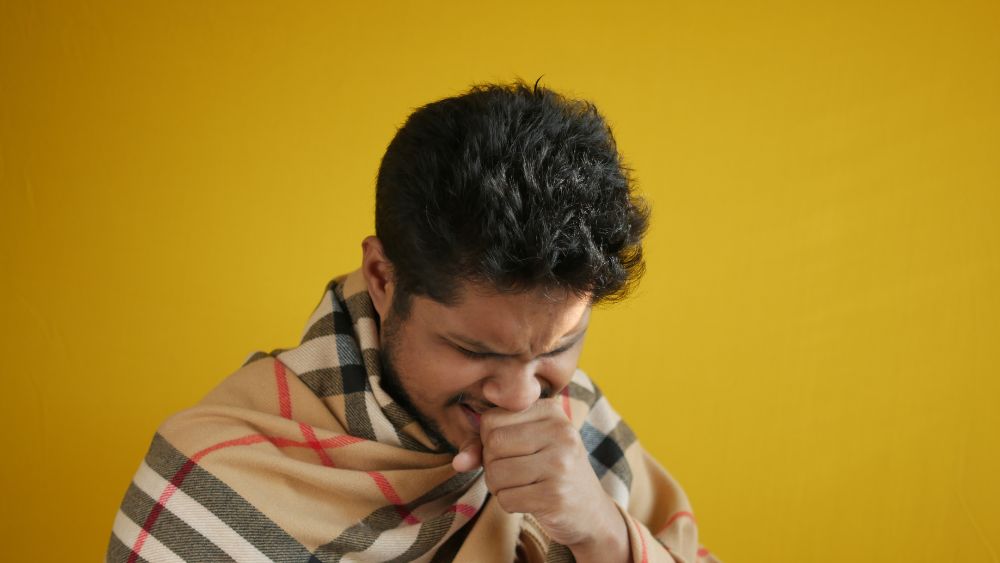
One of the most common respiratory complaints we see is a cough. It usually goes away in a couple of weeks and is frequently caused by colds, the flu, or minor illnesses. But you shouldn't skip a cough that persists for more than three weeks, especially when you see it doesn't get better.
Prolonged coughing could be a sign of:
- Uncontrolled asthma
- GERD, or gastroesophageal reflux disease
- Infections of the lungs
Early signs of lung cancer
Yes, it’s essential to get medical help right away if your cough is accompanied by phlegm, blood, wheezing, or chest pain. To identify the underlying reason, you need medical assistance. A pulmonary expert might do lung function investigations and imaging examinations.
Shortness of Breath During Normal Activities
It may be natural to experience occasional dyspnea following vigorous activity. However, shortness of breath during brief walks, a few stair climbs, or even while you're sleeping isn’t normal. This could be a significant problem.
Lesser-known causes of dyspnea may include:
- An embolism in the lungs
- Conditions relating to the heart
- Severe asthma
A pulmonologist can do pulmonary function tests, measure your oxygen levels, and determine whether your symptoms are due to lung illness. Or another systemic problem is there.
Frequent Respiratory Infections
Do you have recurrent bouts of pneumonia or bronchitis every year? Ongoing respiratory infections may indicate a compromised immune system or an underlying lung condition.
Especially vulnerable are those who smoke, suffer from long-term illnesses, or are exposed to environmental toxins. It is strongly advised to see a lung specialist if infections happen more than twice a year or necessitate hospitalization. If left untreated, recurrent infections can cause long-term lung problems.
Wheezing or Noisy Breathing

Is it a high-pitched whistling sound produced when you breathe? Although it frequently coexists with asthma, noisy breathing can also be a sign of other respiratory issues.
If you notice:
- Continuous wheezing
- Chest tightness
- Exhaling is difficult
- Sudden episodes of breathing
In order to avoid difficulties, you might need specialized treatment by a pulmonologist. Your pulmonologist can recommend drugs to enhance airway function and assist in diagnosing triggers.
Warning Signs You Should Never Ignore
Respiratory symptoms should never be ignored, especially when they become severe or unusual. Some warning signs may indicate serious lung conditions that require immediate medical attention from a pulmonary specialist.
Coughing Up Blood (Hemoptysis)
Coughing up blood, even in tiny amounts, is never normal and needs to be evaluated by your doctor right away.
Among the potential causes are:
- Severe infections of the lungs
- Tuberculosis
- Lung cancer
You should get medical help right away, even if the bleeding stops fast, this is because a timely diagnosis can save lives.
Chronic Chest Pain When Breathing
Severe chest pain that worsens when you cough, sneeze, or take deep breaths could be a sign of inflammation of the lung lining. It may also pinpoint other illnesses.
Among the possible causes are:
- Pleurisy
- An embolism in the lungs
- Lung collapse
- Severe pneumonia
Make sure you see a doctor right away if your chest pain is severe, ongoing, or accompanied by lightheadedness or dyspnea.
Snoring and Interrupted Sleep

Sleep apnea may be the reason indicated by loud snoring, choking while you sleep, or extreme daytime weariness. This disorder causes frequent breathing pauses during the night, which lowers your oxygen levels.
Also, it raises the risk of heart disease. To confirm the diagnosis and suggest therapies like CPAP therapy or lifestyle modifications, a pulmonologist can do a sleep study. Chronic tiredness, high blood pressure, and stroke can be complications of untreated sleep apnea.
Exposure to Occupational or Environmental Risks
Lung disease risk is high if there is prolonged exposure to chemicals, dust, asbestos, or pollution. Industrial, manufacturing, mining, and construction workers are especially at risk.
Make an appointment for a pulmonary evaluation if you have had extended exposure. Plus, if you experience respiratory symptoms, even if they appear to be minor, consulting a doctor is essential.
Early screening aids in the early detection of diseases such as occupational lung illness or pulmonary fibrosis.
History of Smoking
Here, one of the biggest causes of lung illness in the world is still smoking. Even ex-smokers are still at higher risk for lung cancer and COPD.
If you:
- Smoked for a long time
- Just quit
- Have a persistent cough or difficulty breathing?
Lung cancer screening and long-term lung function monitoring can be carried out by a pulmonary specialist. Better treatment results are possible with early discovery.
Tests a Pulmonary Specialist May Recommend
If imaging tests such as chest X-rays or CT scans show abnormalities like nodules, scarring, or fluid buildup, further testing may be needed.
Common Pulmonary Diagnostic Tests
Lung problems can also be seen during imaging for another cause. You can be referred to a pulmonologist for additional testing if your primary care physician notices anomalies such as nodules, scarring, or fluid accumulation.
Some examples of advanced diagnostic tools are:
- Bronchoscopy
- Testing for pulmonary function
- Biopsy guided by CT
- Analysis of arterial blood gas
Accurate diagnosis and suitable therapy will help you recover in the best possible way.
Also Read:-
Emergency Lung Symptoms That Need Immediate Care
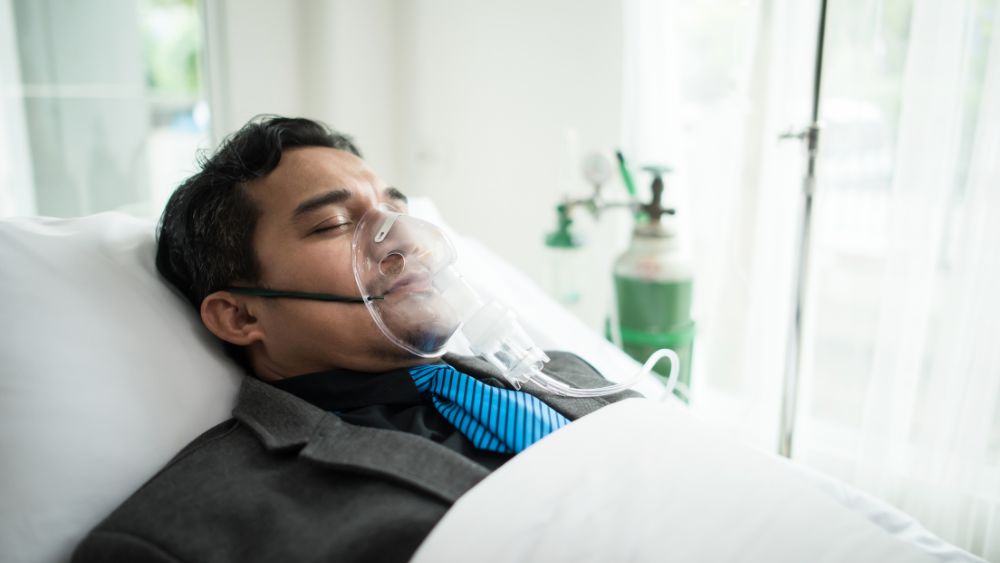
Contact emergency services right away if you have:
- Severe breathlessness
- Blue fingertips or lips
- Sudden discomfort in the chest
- Confusion or fainting
- Coughing a lot and spitting a lot of blood
Each of these signs could point to a serious illness that needs immediate medical care. Knowing when to see a pulmonary specialist can keep you from future risks.
Who Is at Higher Risk of Lung Disease?
Some people should be particularly watchful for respiratory symptoms:
- People who smoke or have smoked in the past
- People with a history of lung disease in their family
- People suffering from autoimmune diseases
- Employees exposed to airborne pollutants
- People with compromised immune systems
Early consultation with a pulmonary specialist can help you avoid long-term problems if you fit into any of these categories.
What You Can Expect During Your Medical Appointment
The pulmonologist will do the following at your initial visit:
- Examine your medical background
- Talk about the symptoms and lifestyle choices
- Perform a physical assessment
- Order the required tests
Spirometry, imaging studies, and sleep assessments are examples of common tests. Medication, inhalers, oxygen therapy, pulmonary rehabilitation, and lifestyle changes are possible treatment programs.
When to See a Pulmonologist in Siliguri
Knowing when to see a pulmonary specialist can help prevent serious lung complications. Early evaluation for symptoms like persistent cough, unexplained shortness of breath, or repeated respiratory infections can improve treatment outcomes.
Consult Dr. Tarun Kumar Baid, a pulmonary specialist in Siliguri, for proper diagnosis and personalized treatment.
This article is for informational purposes only and should not replace professional medical advice. Always consult a qualified healthcare provider for diagnosis and treatment.
Comments (0)