



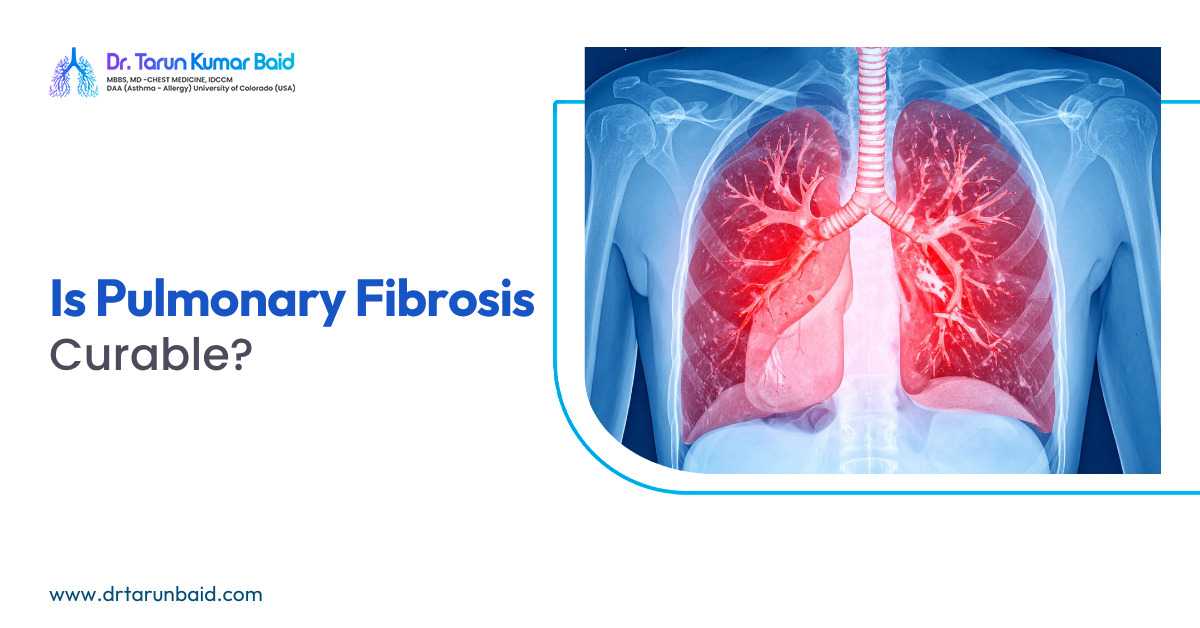


We must know what we should eat mostly and what to avoid mostly. However, this blog talks about an asthma diet plan, including the ideal food choices, worst foods for asthma, etc.
It’sa chronic respiratory illness. Asthma management needs medicine and lifestyle changes, but nutrition is surprisingly effective in reducing symptoms and enhancing lung health in general.
Seeking help from the best asthma specialist in Siliguri or a doctor near you will help you ensure effective asthma care and management. Doctors also provide holistic advice so that you stay overall healthy.
Your diet can either improve your immune system and lessen inflammation, or it might worsen breathing problems and cause flare-ups.
Understanding the Connection Between Asthma and Diet
This is airway inflammation,where breathing becomes challenging when the airways swell and narrow. This can occur with exposure to allergies, pollutants, or stress.
This process is influenced by diet in multiple ways:
Controlling inflammation
Some foods cause inflammation to decrease, while others cause it to grow.
Support your immune system
A healthy immune system can lessen your vulnerability to triggers.
Weight control
Being overweight might worsen asthma symptoms.
Reduction of allergies
There are some foods that may cause allergic reactions that worsen asthma.
Dr. Tarun Kumar Baid says: “A balanced diet helps reduce inflammation and improves lung function in asthma patients.”
Many patients notice fewer triggers when they avoid processed food and follow a clean, balanced diet.
What to Eat: Foods That Can Help Manage Your Asthma
Antioxidant-Rich Fruits
Yes, vitamins and antioxidants present in fruits help reduce inflammation and promote better lung health.
The best options among fruits are:
- Oranges and Apples
- Berries (strawberries, blueberries)
- The banana
Did you know that flavonoids found in apples, in particular, may increase your lung capacity? Because oranges and other fruits have high amounts of vitamin C, this helps shield your airways from oxidative damage.
Daily consumption of fresh fruits might can boost your body's reaction to asthma triggers, but take in moderation.
Vegetables for Your Lung Length

For anyone with asthma, having vegetables is vital, as theyhave lots of anti-inflammatory elements, fiber, and vitamins.
Highly healthful vegetables that you should try:
- Spinach
- Carrots
- Broccoli
- Kale & sweet potatoes
You must know that magnesium, which helps relax bronchial muscles and enhance airflow, is abundant in leafy greens. Your body will receive a wide range of preventive nutrients if you include a variety of colored veggies in your day-to-day meals, reducing asthma symptoms.
Fatty Acids (Omega-3)
The anti-inflammatory qualities of omega-3 fatty acids are well established. They enhance respiratory function and lessen inflammation of the airways.
Leading sources:
- Flaxseeds
- Chia seeds
- Walnuts
- Fish high in fat, such as sardines, mackerel, & salmon
Over time, eating foods high in omega-3 fatty acids a few times a week can help lessen your symptoms of asthma. Make sure you eat these in moderation, and when it comes to eating nuts and seeds, soak them in water for at least 6 hours.
Whole Grains
Whole grains are really high in minerals and fiber, which promote your general health and lower inflammation caused by asthma.
Excellent choices:
- Brown rice
- Oats
- Whole wheat Quinoa
Fiber is very important for your gut health, which supports your immune system performance and keeps your digestive system clean. The intensity of asthma symptoms is lowwhen you have a healthy digestive system.
Vitamin D-Rich Foods
Many times, increased asthma severity is due to vitamin D deficiency. This vitamin is highly valuable for controlling the immune system; thus, you need to be more attentive to taking Vitamin D-rich foods.
Among the sources are:
- Egg yolks
- Milk with added nutrients
- Mushrooms
- Exposure to sunlight
Asthma attacks can be prevented, and lung function can be enhanced by consuming enough vitamin D. One of the best sources of vitamin D is sunlight, and make sure you get the right amount of it daily.
Magnesium-Rich Foods
Magnesium facilitates better breathing, as these relax the muscles of your airways, so add foods such as:
- Nuts (cashews, almonds)
- Dark leafy greens and seeds
- Bananas
People with asthma may benefit most from a diet high in magnesium, especially during their asthma flare-ups.
Hydrating Foods & Fluids
You should be more aware of your day-to-day hydration. Maintaining adequate hydration makes mucus thinner and easier to remove from the airways, but it doesn’t mean you just need to drink lots of water.
Top options:
- Herbal teas with water
- Healthy, home-made soups
- High-water-content fruits (cucumber, watermelon, berries)
One easy yet powerful way to promote respiratory health is to stay well hydrated.
Indian Diet for Asthma Patients
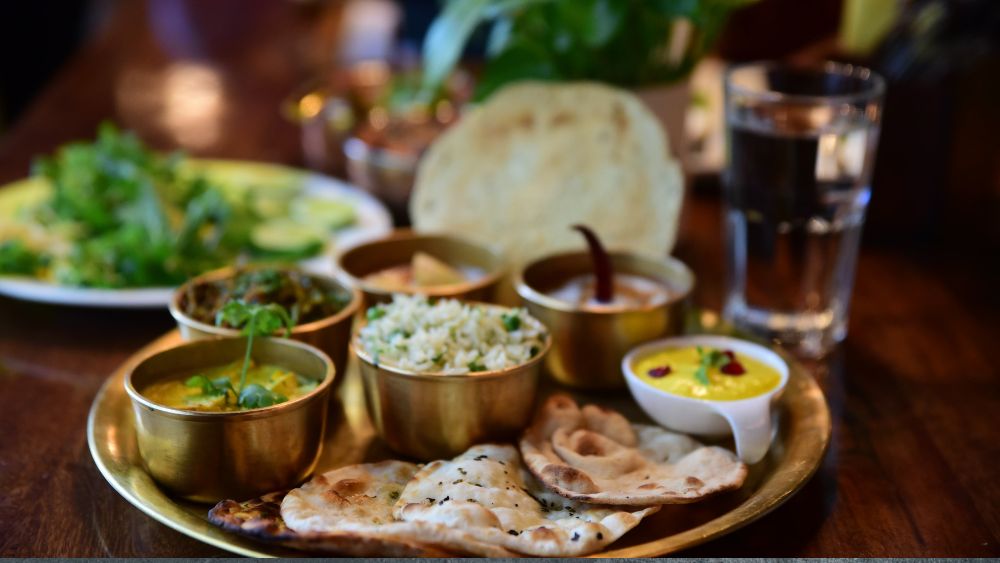
When carefully planned, Indian cuisine can be of great help for asthma patients. Anti-inflammatory spices that most Indians use, like turmeric, ginger, and garlic, naturally promote respiratory health, included in traditional Indian dishes. Rice, veggies, dal, and roti meals offer a well-balanced mix of nutrients that support immunity, which are very common in Indian day-to-day meals.
Plus, it is very beneficial to have warm, freshly prepared Indian dishes if you have asthma. Herbal beverages like ginger water or tulsi tea can calm your airways.Again, ghee or mustard oil can promote good health without creating irritation if you use it sensibly.
What You Should Avoid If You Have Asthma - Foods That Could Trigger Asthma
Similar to how some foods can help you control your asthma, others might exacerbate your symptoms or set off asthma attacks.
Junk and Processed Foods
Preservatives, artificial additives, and harmful fats are very common in these foods (frequently found in highly processed meals).
These are:
- Popular chips in the market (commercial)
- Fast food
- Meals that are frozen
- Packaged snacks& sweets
These foods may make your asthma worse simply by causing inflammation. Also, these food choices lead to weight gain, which again exacerbates breathing problems.
Sulfite-Containing Foods
Here, preservatives called sulfites are frequently present in some foods and drinks. And, for those who are sensitive, they may cause asthma symptoms (work as a trigger).
Common sources:
- Fruits that have been dried (commercial packaging)
- Wine
- Pickled foods
- Lemon juice in a bottle
It's advisable to stay away from these foods if you have been diagnosed with a respiratory condition or asthma, or experience worsening symptoms after eating them.
Dairy Products (For Certain People)
While not everyone with asthma is affected by dairy, some people find that it causes their mucus production to increase or serves as a trigger.
Foods to keep an eye on:
- Cheese
- Cream
- Milk
- Paneer
- Milk tea
Cut off dairy for a while and notice if this step helps you, and see how things change if you think it exacerbates your symptoms.
Fried & Fatty Foods
Foods heavy in trans fats and saturated fats can impair your lung function and cause airway inflammation go worse.
So keep from:
- Fried foods
- Deep-fried foods
- Meat cuts high in fat
These meals can also lead to obesity, which increases respiratory strain (a risk factor for respiratory illnesses).
Artificial Additives
Asthma symptoms may be triggered by specific chemicals present in commercial foods, so be aware of:
- Synthetic colours
- Enhancers of flavor (like MSG)
- Preservatives
Wise toavoid these unseen triggers by reading food labels; make sure you read packaging labels and then eat.
Gas-Producing Foods
Bloating is very discomforting, brought on by some foods, which may make your breathing more challenging.
Such as:
- Beans
- Carbonated beverages/ soda
- Cabbage
- Cauliflower
- Eating too much high-protein
- Too spicy foods
Even though some meals are beneficial, eating them in moderation could help avoid such discomfort.
Cold Foods & Drinks

Some people experience bronchial spasms when they eat cold meals or beverages, or a worsening of asthma symptoms.
For instance:
- Cold beverages, like cocktails, or cold coffee with added ice
- Ice cream
- Soda drinks
Choosing a bit of warm or room-temperature food could help lower your risk of worsening asthma symptoms.
Samosas, pakoras, and bhajiyas are examples of very famous deep-fried snacks in India that should be avoided in asthma.They cause inflammation. Cold drinks and treats like ice cream and kulfi might trigger symptoms, so these are some foods to avoid for asthma in India.
Dr. Tarun Kumar Baid says:“Certain trigger foods can worsen asthma symptoms quickly, so it’s important to identify personal triggers and avoid them consistently. If you feel breathless or uncomfortable after eating a specific food, note it down and avoid it next time. Keeping a food diary can help you track triggers easily.
Also Read:-
The Role of Nutrition in Respiratory Health
Is Asthma a Communicable Disease?
Can Weather Changes Trigger Asthma?
Lifestyle Advice to Enhance Your Nutrition If You Have Asthma
Diet is an invaluable part, but we ignore it.
Keep Your Weight in Check
Being overweight might exacerbate your asthma symptoms, as this puts pressure on your lungs.
Avoid Food Allergens
To avoid asthma flare-ups, firmly avoid foods to which you are known to be allergic.
Best to Have Frequent, Smaller Meals
It can be difficult to breathe after a large meal; however, the body can handle smaller servings better.
Maintain a Food Journal
Yes, monitoring your diet might help you spot asthma patterns and triggers to a great extent.
Continue Your Exercise
Mild to moderate exercise enhances or supports your general health and lung capacity.
When to Seek Professional Advice (See a Pulmonologist)
- One should always speak with a doctor if the asthma symptoms are severe or unpredictable
- Precipitated medications cause side effects
- Personalized dietary guidance
- Follow-ups
- A new onset of symptoms
Asthma doctors or pulmonologists will create an asthma treatment plan that is tailored to your medical condition and overall health. Talk to one of the best asthma doctors near you for personalized healthcare.
Final Words
A lifestyle that supports your respiratory health is very important for managing your asthma,besides prescribed medication. To strengthen your immune system, reduce asthma inflammation, and make breathing easier,a balanced diet is essential.
For asthma care, you might speak to one of the most trusted pulmonologists in Siliguri, like Dr. Tarun Kumar Baid.
This blog is for educational purposes only and not a substitute for medical advice.