


Yes, your lungs can start recovering after you stop smoking. However, the level of recovery depends on many factors, such as how long you smoked, how many cigarettes you smoked each day, your age, your overall health, and whether permanent lung damage has already occurred.
Smoking damages the lungs by irritating the airways, increasing mucus, reducing oxygen flow, and harming the tiny air sacs that help you breathe. The good news is that your body begins repairing itself soon after your last cigarette.
Some improvements, such as better breathing and improved energy, may appear within weeks. Deeper healing may take months or years. However, serious lung damage caused by conditions like emphysema or advanced COPD may not fully reverse. Still, quitting smoking can slow further damage and improve your quality of life.
If you have a chronic cough, breathlessness, wheezing, or chest discomfort, consulting a lung specialist in Siliguri can help you understand your lung health and get proper treatment guidance.
How Smoking Damages Your Lungs
Every cigarette contains thousands of harmful chemicals. These chemicals irritate the lungs and make it harder for the respiratory system to work properly.
Damages the Air Sacs
Your lungs contain tiny air sacs called alveoli. These air sacs help oxygen move into the bloodstream. Smoking can damage the alveoli, and in severe cases, they may not fully repair.
Causes Long-Term Inflammation
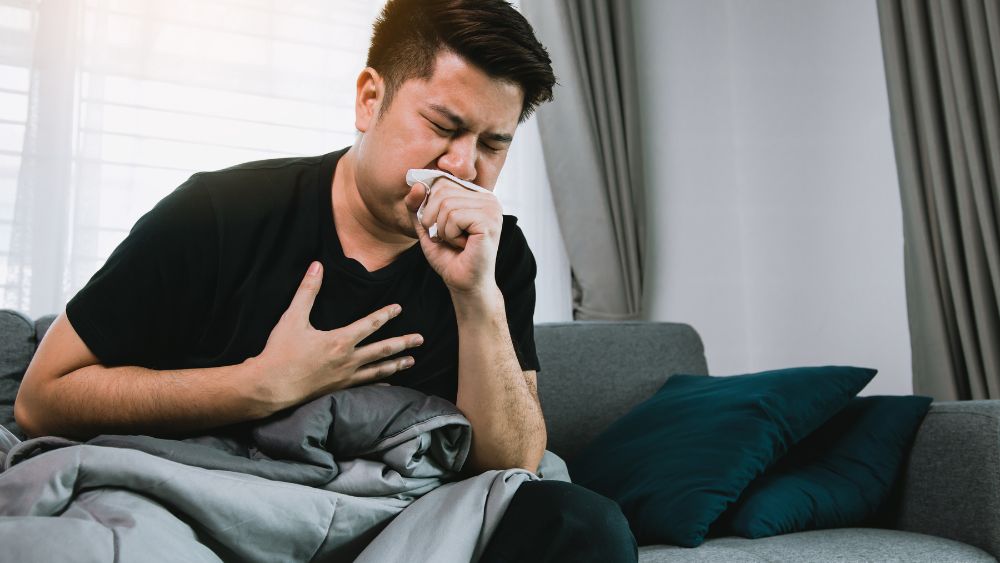
Smoking keeps the airways swollen and irritated. This can lead to coughing, wheezing, chest tightness, and breathing difficulty.
Weakens the Lung Cleaning System
The lungs have tiny hair-like structures called cilia. These help remove dust, mucus, and harmful particles. Smoking damages cilia, allowing mucus and toxins to build up inside the lungs.
Increases Mucus Production
Smoking causes the lungs to produce excess mucus. This is why many smokers experience persistent phlegm or a regular smoker’s cough.
Increases the Risk of Serious Lung Diseases
Long-term smoking increases the risk of several lung conditions, such as:
- Lung cancer
- Chronic bronchitis
- COPD
- Emphysema
- Pneumonia and other lung infections
The longer a person smokes, the higher the risk. However, quitting smoking at any age can help prevent further lung damage.
What Happens After You Quit Smoking?
Your body starts healing soon after your last cigarette.
After 20 Minutes
Your heart rate and blood pressure begin to return to a healthier level.
After 12 Hours
Carbon monoxide levels in the blood start returning to normal. This helps your body receive oxygen more effectively.
After 1 to 2 Days
Nicotine levels begin to drop. Your sense of taste and smell may start improving. Some people may also experience withdrawal symptoms during this time.
After 1 to 4 Weeks
Blood circulation improves. The cilia in your lungs begin to work better again and help clear mucus and pollutants. You may cough more for a short time as your lungs clean themselves.
After 2 Weeks to 3 Months
Lung function may improve. Breathing may become easier, and physical activity may feel less tiring.
After 1 to 9 Months
Coughing and shortness of breath may reduce. Mucus production may also decrease as the lungs continue to heal.
After Several Years
The risk of heart disease, stroke, lung cancer, and other smoking-related diseases continues to decrease. Some structural damage may remain, but quitting smoking greatly improves long-term health.
Can Lungs Fully Heal After Smoking?
The answer depends on how much damage smoking has caused. If a person quits early, the lungs may recover well. Inflammation can reduce, cilia can function better, and breathing may improve.
However, some lung damage can be permanent. For example:
- Damaged air sacs from emphysema may not grow back
- Lung scarring may remain
- Advanced COPD cannot be fully reversed
Even if the lungs do not return completely to normal, quitting smoking is still one of the best decisions for lung health. It can slow disease progression, reduce symptoms, and improve daily comfort.
Signs Your Lungs Are Healing
After quitting smoking, you may notice gradual improvements such as:
- Easier breathing
- Less coughing over time
- Reduced mucus
- Better energy levels
- Improved stamina
- Better taste and smell
- Fewer respiratory infections
Recovery does not happen overnight. It may take weeks, months, or years, depending on your smoking history and overall health.
How to Support Lung Recovery After Smoking
Healthy lifestyle habits can support your lungs after quitting smoking.
Avoid Smoking Completely
Even occasional smoking can slow healing. Avoid cigarettes, secondhand smoke, and other tobacco products.
Exercise Regularly
Regular physical activity improves oxygen flow and strengthens the lungs. Helpful exercises include:
- Walking
- Cycling
- Swimming
- Light cardio exercises
If you already have breathing problems, consult a doctor before starting a workout routine.
Practice Breathing Exercises
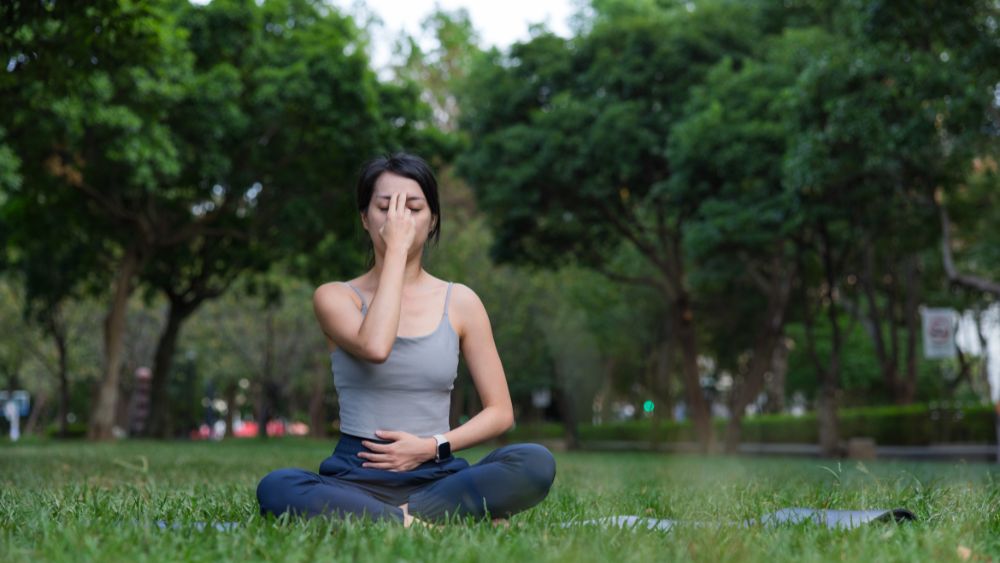
Breathing exercises can help improve lung capacity and reduce breathlessness. Useful techniques include:
- Diaphragmatic breathing
- Pursed-lip breathing
- Slow deep breathing
These exercises may be especially helpful for people with mild breathing difficulty.
Drink Enough Water
Water helps thin mucus, making it easier for the lungs to clear harmful particles.
Eat Lung-Friendly Foods
A healthy diet can support lung recovery. Include foods such as:
- Leafy green vegetables
- Berries
- Citrus fruits
- Nuts and seeds
- Whole grains
- Omega-3-rich foods
Foods rich in antioxidants may help reduce inflammation in the body.
Improve Indoor Air Quality
Try to reduce exposure to:
- Dust
- Mold
- Chemical fumes
- Smoke
- Air pollution
Keep your rooms clean and well-ventilated. An air purifier may also help if you live in a polluted area.
Get Proper Sleep
Sleep supports tissue repair and strengthens the immune system. Poor sleep can slow the body’s natural healing process.
Consider Pulmonary Rehabilitation
People with COPD or serious lung damage may benefit from pulmonary rehabilitation. It includes supervised exercise, breathing training, and medical guidance.
Also Read:-
Early Diagnosis in Lung Diseases
Why Is Smoking Considered A Major Risk Factor For Lung Health?
Foods for Healthy Lungs and Improved Breathing
When Should You Consult a Lung Specialist in Siliguri?
You should consult a doctor if you notice symptoms such as:
- Persistent cough for several weeks
- Shortness of breath
- Wheezing
- Chest discomfort
- Coughing up blood
- Frequent lung infections
- Unexplained weight loss
- Excessive mucus production
A lungs doctor in Siliguri may recommend tests such as spirometry, chest X-ray, CT scan, or other lung function tests to check your respiratory health.
Smoking-Related Lung Diseases
Smoking is linked to several serious respiratory diseases.
COPD
COPD causes long-term breathing difficulty and airflow blockage. It includes chronic bronchitis and emphysema.
Lung Cancer
Smoking is one of the leading causes of lung cancer. Quitting smoking lowers the risk over time.
Chronic Bronchitis
This condition causes long-term cough, mucus production, and airway irritation.
Emphysema
Emphysema damages the air sacs in the lungs, making it harder to breathe.
Pneumonia and Lung Infections
Smoking weakens the lung’s defense system, increasing the risk of infections.
Smoking Cessation Options
Quitting smoking can be difficult because nicotine is addictive. However, medical support can make the process easier.
Common options include:
- Nicotine gum
- Nicotine patches
- Lozenges
- Nasal sprays
- Counseling
- Doctor-prescribed medicines
- Support programs
A doctor can suggest the safest option based on your symptoms, smoking history, and overall health.
FAQs
1) Can lungs become normal again after smoking?
In mild cases, lung recovery can be significant. However, serious damage such as emphysema or advanced COPD may not fully reverse.
2) Is coughing normal after quitting smoking?
Yes. Coughing may increase for a short time because the lungs are clearing mucus and harmful particles.
3) Do lungs clean themselves after quitting smoking?
Yes. After quitting, cilia begin working better and help remove mucus, dust, and pollutants from the lungs.
4) Can quitting smoking reduce lung cancer risk?
Yes. Quitting smoking reduces the risk of lung cancer over time, although the risk may not become zero.
Conclusion
Your lungs have a strong ability to recover after you stop smoking. Breathing, energy levels, mucus clearance, and lung function may gradually improve. However, some damage caused by long-term smoking may be permanent. The best step is to quit smoking as early as possible and follow a healthy lifestyle. If you have a chronic cough, breathlessness, wheezing, chest discomfort, or smoking-related lung concerns, consult Dr. Tarun Baid, a top pulmonologist in Siliguri, for proper diagnosis and treatment guidance.