



Sleep issues are very common, but sleep apnea is nothing to overlook. Here, sleep apnea is a widely prevalent but sometimes disregarded condition. The classic symptom of sleep apnea is frequent breathing pauses while you're asleep.
Throughout the course of the night, people experience these breathing pauses, depriving the body of enough oxygen. If you have been struggling with sleep apnea, you might see the best chest specialist doctor in Siliguri, like Dr. Tarun Kumar Baid.
Three primary forms of sleep apnea exist, and these are:
- The most prevalent type is obstructive sleep apnea (OSA), brought on by the relaxation of throat muscles that obstruct the airway.
- Another type is when the brain is unable to properly communicate with the breathing muscles, called central sleep apnea (CSA).
- Combining central and obstructive sleep apnea is known as complex sleep apnea syndrome.
Sleep Apnea Facts
- Approximately 1 billion adults worldwide are estimated to have obstructive sleep apnea.
- Nearly 50% of people with sleep apnea also have hypertension.
- Patients with moderate to severe sleep apnea have a significantly higher risk of stroke and heart disease.
- Many individuals with sleep apnea remain undiagnosed, increasing their risk of long-term health complications.
Connection Between Heart Health and Sleep Apnea - Overview
The link between sleep apnea and heart disease is delicate but well-established. What happens is that the blood's oxygen content drops each time breathing stops while you sleep. Intermittent hypoxia is a state that causes several physiological reactions that put a great deal of strain/ stress on your cardiovascular system this time.
The body reacts when oxygen levels fall by:
- Raising the heart rate
- Increasing blood pressure
- Releasing adrenaline and other stress chemicals
- Inflammatory mechanisms are activated
These recurring events might happen several times every hour, night after night, and ultimately lead to heart-related issues.
Doctor Insight: According to Dr. Tarun Kumar Baid, untreated sleep apnea not only affects sleep quality but can significantly increase the risk of hypertension, heart rhythm disorders, stroke, and cardiovascular disease. Early diagnosis and treatment can improve both respiratory and heart health while reducing long-term cardiac complications.
How Sleep Apnea Increases Blood Pressure
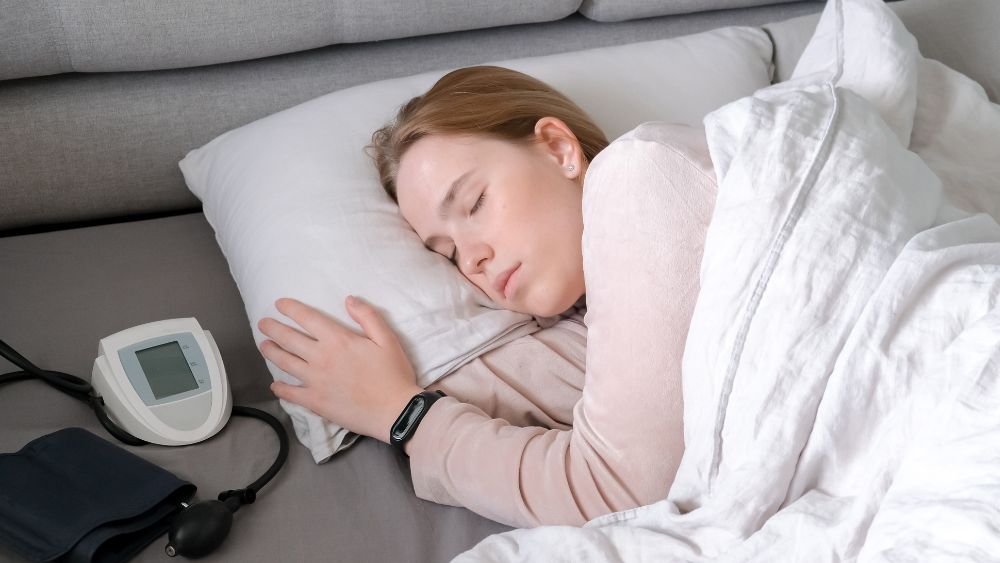
A very common cardiovascular complication of sleep apnea is certainly hypertension/ elevated blood pressure. During sleep, blood pressure typically drops, which lets the heart and blood vessels relax. However, frequent awakenings and oxygen deprivation disrupt the situation and trigger the sympathetic nervous system in those with sleep apnea.
Blood vessels constrict due to this ongoing activity, which basically increases blood pressure. Ongoing hypertension may occur if you don’t treat sleep apnea. Resistant hypertension is a health condition in which blood pressure stays high despite taking several medications, more often associated with sleep apnea.
- Sleep apnea usually increases the risk of developing hypertension.
- Blood pressure regulation may improve with effective sleep apnea treatment.
- Sleep apnea should be assessed in people with resistant hypertension.
Irregular Heart Rhythms and Sleep Apnea
Arrhythmias, or irregular heartbeats, can also result from sleep apnea. The electrical signals that control the heartbeat may be interfered with during apnea episodes. This happens due to variations in oxygen levels and increased cardiac strain, and atrial fibrillation/AFib is a very common arrhythmia linked to sleep apnea.
The heart's upper chambers beat erratically due to atrial fibrillation, and this situation raises the risk of stroke and blood clots. Sometimes, treatment can’t help reduce the risk of AFib; people with untreated sleep apnea are more likely to develop AFib. Thus, timely diagnosis, medication, and lifestyle choices are essential for preventing health risks.
Common Arrhythmias Associated with Sleep Apnea
- Fibrillation of the atrium
- Slow heart rate, or bradycardia
- Arrhythmias of the ventricles
- Early heartbeats
Timely treatment and diagnosis help manage these cardiac rhythm abnormalities. Seek guidance from the best pulmonologist in Siliguri for sleep apnea treatment and management.
Link Between Heart Failure and Sleep Apnea
Heart failure, in simple words, is when the heart is unable to adequately pump blood to the body. Both heart failure and pre-existing heart problems worsen, exacerbated by sleep apnea.
The heart's workload increases because of repeated oxygen deprivation when you sleep with unmanaged sleep apnea. Over time, the heart muscle may become weaker due to the continuous cycle of breathing disruptions, often blood pressure spikes, and elevated/ high stress chemicals.
Heart failure patients often also suffer sleep apnea, which leads to a vicious cycle where each disease exacerbates the other.
Possible consequences consist of:
- The cardiac muscle is under more stress
- Decreased tissue oxygen delivery
- Increased fluid retention
- Impaired heart function
Increased Risk of Stroke and Sleep Apnea
Did you know another major cardiovascular issue linked to sleep apnea is stroke? Inflammation, blood vessel damage, and altered blood flow regulation may result from the frequent dips in oxygen levels.
Plus, sleep apnea raises the risk of major stroke factors such as atrial fibrillation and hypertension. Based on research, people who have moderate to severe sleep apnea are far more likely to have a stroke; therefore, make sure you seek medical advice.
Coronary Artery Disease and Sleep Apnea
Plaque accumulation in the arteries is a major risk, as these feed blood to the heart causes coronary artery disease. This process may be accelerated by sleep apnea in several ways, and among them are:
- Long-term inflammation
- An increase in oxidative stress
- High blood pressure
- Endothelial dysfunction; it is damage to the lining of blood vessels
Atherosclerosis may be encouraged by the cumulative effect, and this raises the risk of heart attacks and other cardiovascular events. Coronary artery disease may be more common in patients with sleep apnea, and obesity, smoking, diabetes, or high cholesterol can double the risk.
Sleep apnea can affect the body in many ways beyond heart disease. When left untreated, it may lead to several serious health complications that impact overall well-being.
What Happens If Sleep Apnea Is Left Untreated?
Sleep apnea is more than just a sleep disorder. If left untreated, it can increase the risk of several serious health problems over time. The repeated drops in oxygen levels and poor-quality sleep can put extra strain on the body and the heart.
Possible complications include:
- High blood pressure
- Heart attack
- Heart failure
- Stroke
- Type 2 diabetes
- Memory and concentration problems
- Depression and mood changes
- Reduced quality of life
Early diagnosis and proper treatment can help lower these risks and improve overall health.
Sleep Apnea Warning Signs
The concerning thing is that many people are unaware that they have sleep apnea since it happens while they are asleep.
Typical symptoms include:
- Snoring loudly and continuously
- Periods of respiratory cessation seen by others
- Choking or gasping while you're asleep
- Excessive drowsiness during the day
- Headaches in the morning
- Having trouble focusing
- Mood swings or irritability
- You may notice waking up with a dry tongue
- You have poor sleep quality
These symptoms should be discussed with your healthcare provider by people with cardiovascular disease. You can seek expert advice from the top pulmonologist doctor in Siliguri City on sleep apnea.
Risk Factors for Sleep Apnea That You Need to Know
The risk of getting sleep apnea has a wide range of reasons, and among them are:
- Being overweight or obese
- Large circumference of the neck
- Advanced age
- Sleep apnea in the family
- Smoking
- Drinking alcohol
- Congestion of the nose
- Specific anatomical characteristics that impact the airway
All ages and body types are susceptible to sleep apnea, notwithstanding these risk factors.
Testing for Sleep Apnea at Home
Home-based monitoring devices may be used to assess respiratory disturbances during sleep for a few patients. Healthcare practitioners can assess the severity of sleep apnea and create a suitable treatment strategy with an accurate diagnosis; thus, you should visit them.
How Is Sleep Apnea Treated?
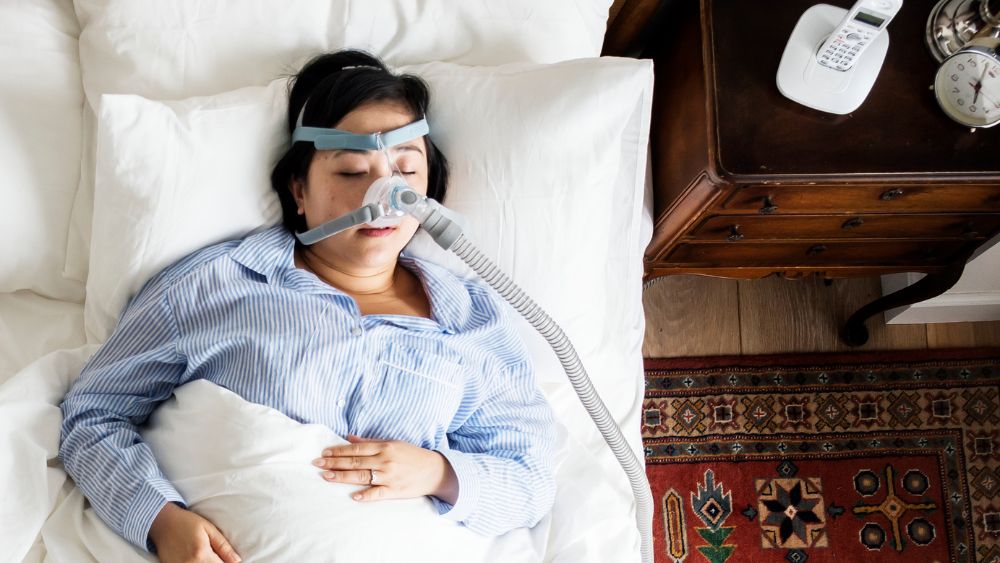
Once sleep apnea is diagnosed, treatment depends on its severity and underlying cause. Effective treatment can improve sleep quality, reduce daytime fatigue, and lower the risk of cardiovascular complications.
Lifestyle Changes
Treatment may include simple lifestyle modifications such as:
- Weight loss
- Regular exercise
- Avoiding alcohol before bedtime
- Sleeping on your side
- Quitting smoking
CPAP Therapy
Continuous Positive Airway Pressure (CPAP) therapy is considered the gold-standard treatment for moderate to severe obstructive sleep apnea. The device delivers a steady flow of air through a mask to keep the airway open during sleep.
Oral Appliances
Custom-made oral devices may help keep the airway open by repositioning the jaw or tongue during sleep. These are often recommended for mild to moderate sleep apnea.
Surgical Treatment
In selected cases, surgery may be recommended to remove or reduce airway obstruction when other treatment options are ineffective.
Seeking Medical Support
Get checked out if you have cardiovascular issues, loud snoring, or extreme daytime sleepiness, along with signs of sleep apnea (be more attentive to your health).
Early diagnosis and medical care can enhance overall health outcomes for any sleep apnea patient and lessen the stress on the heart. Sleep apnea screening should be discussed with a doctor if a patient has uncontrollably high blood pressure, recurrent atrial fibrillation, or unexplained exhaustion.
Also Read:-
Frequently Asked Questions
1) Can sleep apnea damage the heart permanently?
Untreated sleep apnea may increase the risk of long-term heart damage, including heart failure and coronary artery disease.
2) Can CPAP treatment improve heart health?
Yes. CPAP therapy can help improve oxygen levels during sleep and may lower blood pressure.
3) Is snoring always a sign of sleep apnea?
No. However, loud and persistent snoring combined with daytime fatigue may indicate sleep apnea.
4) Who is at higher risk of sleep apnea?
People who are overweight, older adults, smokers, and those with a family history are at higher risk.
5) Which doctor treats sleep apnea?
A pulmonologist or chest specialist evaluates and manages sleep apnea.
Final Words
Trouble breathing at night is a classic sign in people with sleep apnea. Untreated sleep apnea also increases multiple health risks. These include risks of heart failure, coronary artery disease, stroke, hypertension, and arrhythmias. Make sure you get medical assistance for diagnosis and proper treatment for this. If you notice symptoms of sleep apnea, consult Dr Tarun Kumar Baid for timely diagnosis and effective treatment.
Comments (0)

