





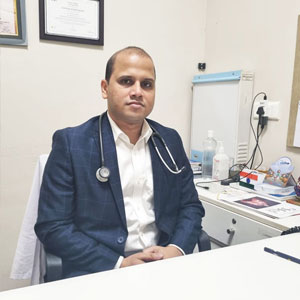
Cigarette smoking, second-hand smoke, infection, pollution, and other environmental factors can contribute to the development of various lung disorders. These lung complications can lead to various distressing symptoms such as wheezing, cough, fatigue, difficulty breathing, and recurrent respiratory infections. To understand the main cause of these symptoms, one must schedule a consultation with the best lungs specialist doctor in Siliguri who can perform various lung screening tests to determine the underlying causes.
One of the most common and effective screening procedures that the doctor often utilizes to assess lung issues is bronchoscopy. In this technique, the doctor uses a flexible tube to reach the lungs and then evaluates the structure and functioning of the lungs through the fitted camera. You must know that this is not just a diagnostic procedure but can also play a major role in treating various lung conditions associated with painful symptoms.
What Is Bronchoscopy?
Bronchoscopy is a minimally invasive procedure used to examine the inside of the lungs and airways using a thin flexible tube called a bronchoscope. The tube contains a small camera and light that allow the doctor to view the respiratory tract in detail.
The bronchoscope is gently inserted through the nose or mouth and guided into the windpipe and lungs. This procedure helps detect infections, blockages, inflammation, abnormal growths, tumors, mucus accumulation, or bleeding inside the lungs.
Apart from diagnosis, bronchoscopy can also be used for certain treatments, including mucus removal, biopsy collection, airway widening, and medication delivery.
Types of Bronchoscopy
Flexible Bronchoscopy
Flexible bronchoscopy is the most commonly performed procedure. A thin and flexible bronchoscope is used to examine the airways with minimal discomfort. It is generally performed under local anesthesia and sedation.
Rigid Bronchoscopy
Rigid bronchoscopy uses a straight metal tube and is usually performed under general anesthesia. This method is commonly used in complex situations such as severe airway blockage, excessive bleeding, or removal of large foreign objects.
How To Prepare for Bronchoscopy
Proper preparation helps ensure a safe and smooth procedure.
Before Bronchoscopy, Your Doctor May Advise You To:
- Avoid eating or drinking for 6–12 hours
- Temporarily stop blood-thinning medications if required
- Inform the doctor about allergies or ongoing medications
- Arrange someone to accompany you home after the procedure
- Avoid smoking before the test
Following your doctor’s instructions carefully can reduce the risk of complications during the procedure.
Step-By-Step Procedure Of Bronchoscopy
Before starting the bronchoscopy, the doctor will advise you to stop drinking or eating anything for around 6-12 hours. If you take any blood thinners then the doctor will also recommend to stop it temporarily. In most cases of bronchoscopy, sedatives are used so it is better to have someone who can take you home after the procedure.
- The first step of bronchoscopy is to numb your throat and nose so that you don’t experience any pain or discomfort during the insertion of the tube. Certain sedatives can also be provided to you through IV lines.
- After sedation, the doctor will insert the tube through your nose and guide it down carefully through the throat.
- When the scope enters the windpipe, small puffs of air will be given to get a clear view of the airways and the entire lungs through the camera.
- This close-up view will help the doctor detect any bleeding, abnormal growths, blockages, or signs of disorders in the lungs.
- During this procedure, the doctor may also remove the abnormal mucus build-up and collect some tissue samples for further testing or biopsy.
- This thorough inspection of the lungs also enables to treatment of any blockages which is done by inserting a hollow stent or delivering a concentrated medication.
- After the evaluation, the scope is carefully pulled back. This entire procedure may range between 30-60 minutes.
When does The Doctor Recommends A Bronchoscopy?
The pulmonologist in Siliguri often recommends a bronchoscopy when a patient experiences symptoms of lung problems. It is especially done when the person is suffering from chronic cough where the cough can also have some tints of blood.
Other symptoms of lung issues that require evaluation of the lung through bronchoscopy are breathing difficulties and whistling sounds from the lungs. Initially, the doctor might perform a chest X-ray, and if any abnormalities are found then a bronchoscopy is done. This screening procedure can also be done to remove a detected tumor, mucus, blockage, or collapsed lungs.
Top Benefits
There are many benefits of bronchoscopy which indicates its wider usage in evaluating and detecting lung problems. Apart from efficiency in close-view inspection of the lung, the other benefits of this screening procedure are-
- Identifies the cause of bleeding inside the lungs
- Checks for any chronic lung disorders such as infections, COPD, and cancer
- Find the main reason for the long-lasting cough
- Look for any abnormal tumor or growth inside the lungs
- Helps to open the narrow passageway in the lungs and remove mucus
Is Bronchoscopy Painful?
Bronchoscopy is generally not painful because local anesthesia and sedatives are used during the procedure. Some patients may experience mild throat irritation, temporary coughing, or slight discomfort after the test, which usually improves within a few days.
Most patients can return home on the same day after proper monitoring.
Recovery After Bronchoscopy
Recovery is usually quick and uncomplicated in most cases.
After the Procedure, You May Experience:
- Mild sore throat
- Temporary numbness in the throat
- Mild cough
- Slight fatigue
Recovery Tips
- Avoid eating until throat numbness disappears
- Drink plenty of fluids
- Take proper rest
- Avoid smoking
- Follow all medical instructions carefully
Seek immediate medical attention if you experience severe chest pain, difficulty breathing, heavy bleeding, or high fever after the procedure.
Possible Risks & Complications
Bronchoscopy is considered a safe and commonly performed procedure when done by experienced specialists. However, like any medical procedure, certain risks may occur in rare cases.
Possible Complications Include:
- Mild bleeding
- Temporary breathing difficulty
- Sore throat
- Infection
- Collapsed lung (rare)
- Low oxygen levels
People with severe breathing disorders, uncontrolled blood pressure, or bleeding disorders may require additional evaluation before undergoing bronchoscopy.
When Should You Consult a Pulmonologist?
You should consult a pulmonologist immediately if you experience:
- Chronic cough lasting more than 3 weeks
- Wheezing
- Recurrent chest infections
- Breathing difficulty
- Blood in sputum
- Persistent chest discomfort
- Sudden shortness of breath
Early medical evaluation can help diagnose respiratory disorders before they become severe.